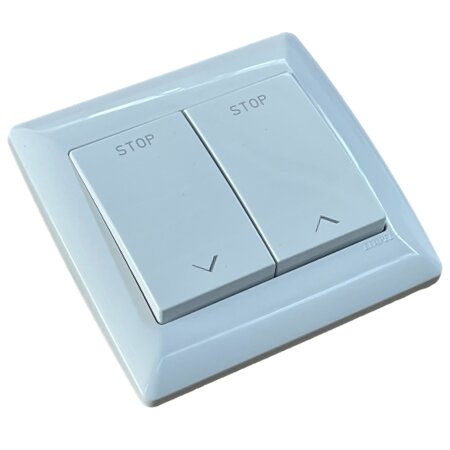
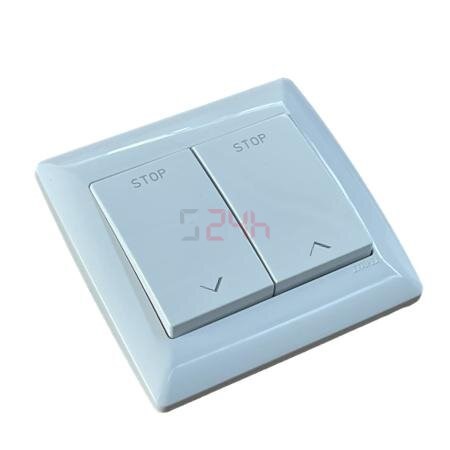
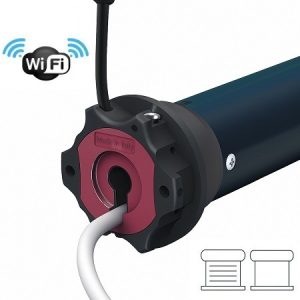
The interlocking pushbutton switch is an essential tool for controlling motors and electrical systems, ensuring safe and efficient operation. This device is ideal for industrial and domestic applications where precise and reliable control is required. Below, we explore its features, advantages, and how to install it correctly.
What is a push-button interlock switch?
A latching pushbutton switch is a device that, once activated, remains in its operating state until manually released . This makes it ideal for applications where continuous action is needed without maintaining pressure on the pushbutton.
Advantages of using a push-button switch with interlocking mechanism
Pushbuttons with interlocking switches Pushbuttons with interlocking switches offer several advantages that make them preferred in various applications.
Security
Latching pushbuttons improve safety by preventing accidental activation. Once latched, the switch maintains its state until intentionally deactivated, reducing the risk of accidents and malfunctions.
Durability
These switches are designed to withstand heavy and prolonged use. Their robust construction and high-quality materials ensure a long service life, even in demanding industrial environments.
Ease of use
These pushbuttons are simple and intuitive to operate. No pressure needs to be held to maintain the switch state, reducing user effort and improving operational efficiency.
Installation steps
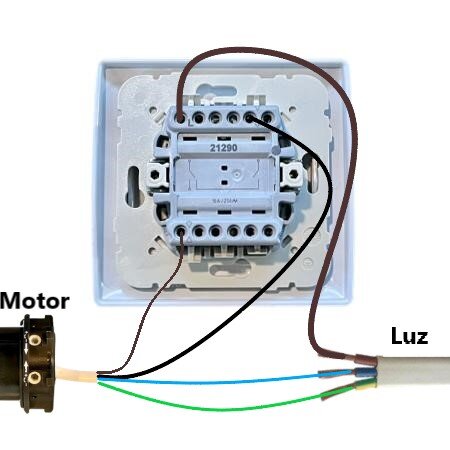
Installing a push-button interlock switch is a simple process if the proper steps are followed.
- Area preparation : Ensure the installation area is free of electrical power and any obstacles.
- Connecting the wires : Follow the manufacturer’s instructions to connect the wires correctly to the switch.
- Switch mounting : Securely fix the switch in place, making sure it is firmly attached.
- Testing and verification : Once installed, test the switch to ensure it is working properly and check all connections.
Frequently Asked Questions
How does a latching push button work?
A latching push button maintains its activated state until it is pressed again to deactivate it, allowing continuous control without the need to maintain pressure.
Where are these pushbuttons commonly used?
They are common in industrial and domestic applications, such as motor control, lighting, and machinery.
Can I install a push-button interlock switch myself?
Yes, as long as you follow the manufacturer’s instructions and take the necessary precautions when working with electricity.
What should I consider when choosing a push button?
You must consider the usage environment, the frequency of operation, and the specific electrical requirements of your application.
The interlocking push-button switch is a practical and safe solution for controlling various electrical systems. Its ease of use, durability, and ability to enhance safety make it an excellent choice for multiple applications. Be sure to follow the installation instructions and choose the model that best suits your needs.