Have you ever wondered how home and building automation systems can make your home or building more comfortable and efficient? These two types of automation, although similar, offer solutions tailored to different environments.
While home automation focuses on residential properties, building automation is designed for commercial buildings and large facilities. Here, we will explain their differences and benefits so you can choose the best option to help you optimise the security, comfort, and energy efficiency of your space.
Home automation and building automation are automation technologies that improve efficiency and comfort in homes and large facilities, respectively.
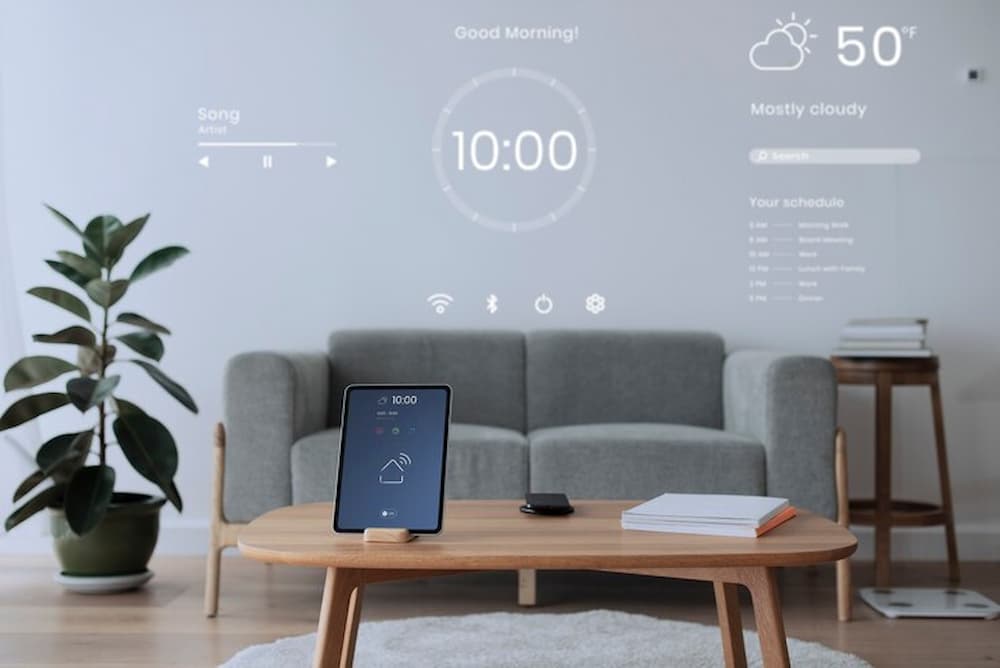
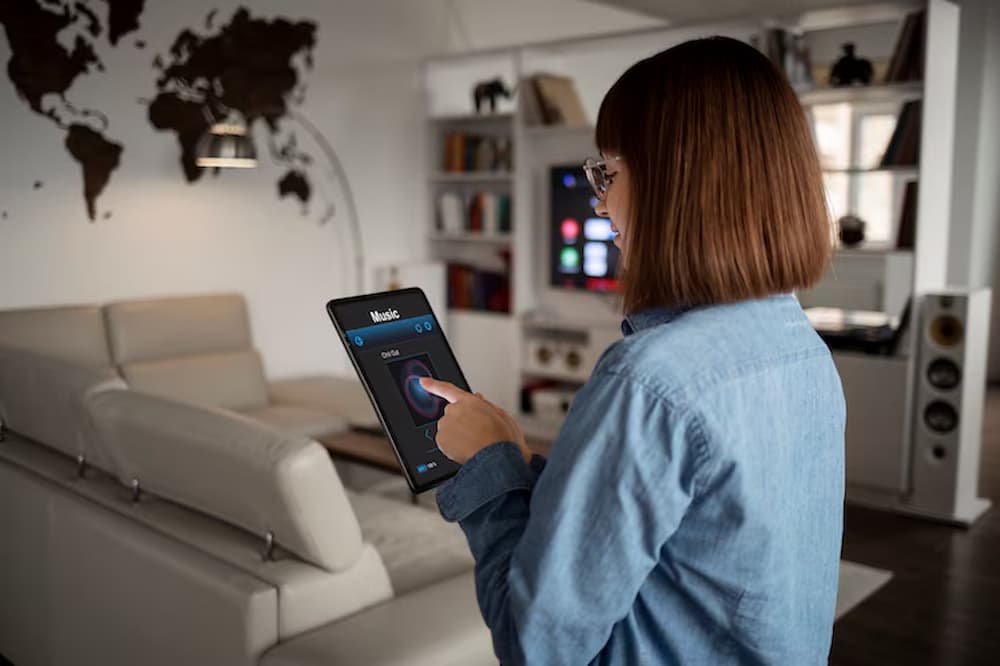
Home automation refers to the set of systems that makes it possible to control and automate devices within a home. These systems allow you to manage functions such as lighting, blinds, climate control, or security from a central interface or a mobile app.
Home automation helps create more comfortable, energy-efficient, and secure homes, adapting to each user’s needs.
Building automation, on the other hand, is focused on buildings and large facilities, such as offices or shopping centres. This system centralises control of different functions in a single point, enabling remote and automated management of lighting, climate, security, and more.
Building automation helps optimise energy consumption and maintain comfort and security in large-scale spaces, where efficient management is essential.
Although home automation and building automation have similar goals, they are applied in different contexts. Home automation is aimed at individual homes, while building automation is suitable for commercial buildings.
Building automation requires more advanced and robust systems to manage multiple devices and zones, while home automation is usually simpler and lower-cost, making it ideal for the domestic environment.
Home automation systems adapt to various needs within the home, making daily life easier and improving the domestic environment.
Home automation makes it possible to automate household tasks such as turning on lights, opening blinds, adjusting climate control, or installing garage door motors. These systems help you manage the home better through automatic scheduling or remote control, providing convenience and saving time.
In addition, the ability to customise each function makes it possible to create a home environment tailored to each person’s preferences.
Home security is enhanced with home automation through surveillance cameras, motion detectors, and alarm systems that can be monitored in real time.
These features provide peace of mind, especially when you are not at home. In addition, comfort features, such as automatic adjustment of lights and temperature, improve quality of life and create a welcoming atmosphere at home.
Energy savings are one of the main benefits of home automation. By automating the use of lights, climate control, and appliances, electricity consumption can be optimised, reducing the energy bill.
Sensor systems, for example, turn off devices when no one is at home, which is a sustainable option that helps reduce the home’s environmental impact.
Home and building automation systems offer specific benefits for homes and buildings, but they also have limitations depending on their application.
Home automation offers multiple benefits for managing homes by automating everyday tasks.
Building automation is geared towards buildings and large facilities, maximising operational efficiency and security.
Although useful in homes, home automation may not be sufficient in large or commercial spaces.
Building automation, designed for buildings, is often excessive for domestic use.
Choosing between a home automation or building automation system depends on the characteristics of the space and the specific automation needs.
Home automation is ideal for homes, allowing you to automate tasks such as lighting and blinds. These systems improve comfort and security at home, with an accessible installation that can adapt to changes in lifestyle.
Building automation, on the other hand, focuses on large buildings, optimising energy efficiency and space control across multiple areas.
Home automation is more affordable and scalable, which allows you to add devices gradually without major upfront costs. With building automation, costs are higher due to the robust infrastructure needed to cover large spaces and manage multiple functions. The investment, however, is justified by reduced energy costs and improved overall control.
Here we explain how much it costs to automate a blind.
Security systems are an important aspect in any space. Home automation makes it easy and accessible to integrate cameras and alarms in the home. In large buildings, building automation connects with access control systems, advanced alarms, and real-time surveillance cameras, ensuring security in environments with higher footfall.
Choosing between a home automation or building automation system depends on the type of space and its needs. Both offer unique benefits in comfort, security, and energy efficiency. If you are looking to improve your home or building, explore our selection of blind motors, garage doors, roller blinds, awnings, and other automation products. Shop now and transform your space!