Being locked out of your garage due to a motor failure can be frustrating and inconvenient. Fortunately, unlocking your garage door motor is easier than you might think. This guide will show you step-by-step how to perform this process safely and efficiently, ensuring you can access your garage in any situation. Get ready to regain control of your driveway without delay.
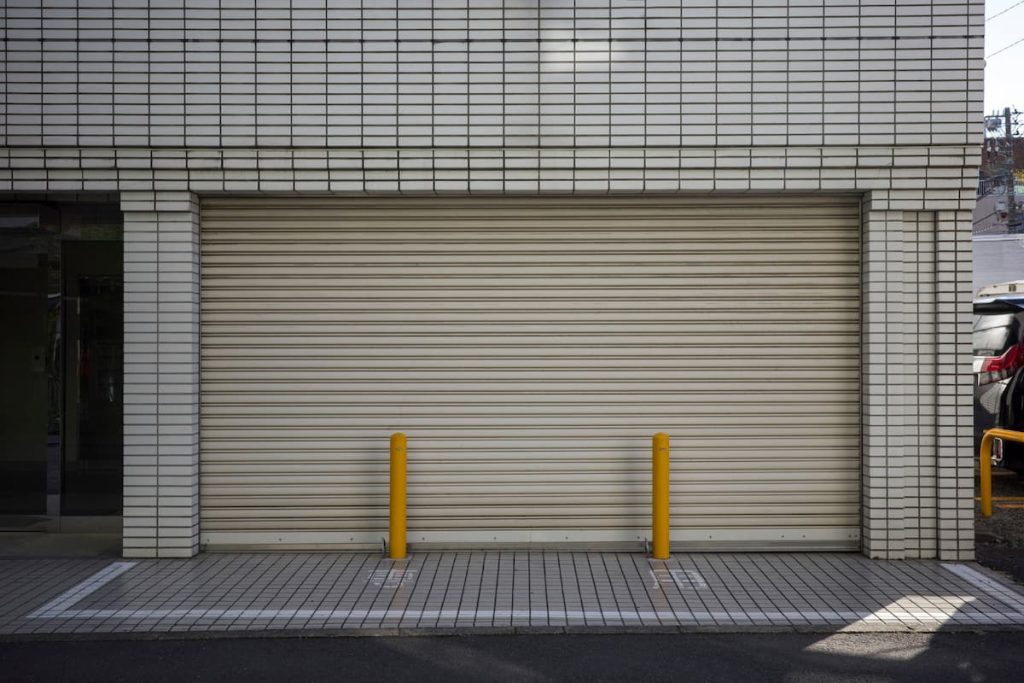
Garage doors vary in design, functionality, and operating mechanics, which directly influences the methods of unlocking the motor in case of a breakdown.
The motor of a garage door is the heart of the opening and closing system, and its proper functioning is essential to ensure safety and convenience.
Unlocking a garage door motor is a basic skill that every homeowner should master to ensure they never get stuck.
The first step is to ensure the area around the door is clear of any objects that might interfere with the process. Also, make sure you have the right tools on hand, such as wrenches and flashlights, especially if the lighting is poor.
Each type of garage door has a specific mechanism for manual unlocking. Knowing these details can save you time and prevent damage when automatic access fails.
These doors usually have an accessible unlocking mechanism, generally a rope or lever located near the engine.
Pulling the cord or moving the lever to the unlocked position disengages the motor gear, allowing the door to move freely. Once unlocked, lift the door with both hands evenly distributed along the base to prevent imbalance or twisting of the panels.
For sliding doors, unlocking usually involves accessing a release mechanism located on the motor or on a side panel accessible from the inside . This mechanism might be a key that you turn or a latch that you slide.
Once the motor lock is disengaged, gently push the door along its track . It is vital to ensure the track is clean and free of obstructions before attempting to move the door manually.
Up-and-over garage doors are often equipped with a cord or lever directly connected to the motor’s drive carriage. Pulling the cord or activating the lever releases the locking mechanism, separating the door from the motor. Once this is done, check that the door moves freely by gently pushing it upwards. If you encounter resistance or the door doesn’t move, check for any blocked or damaged parts.
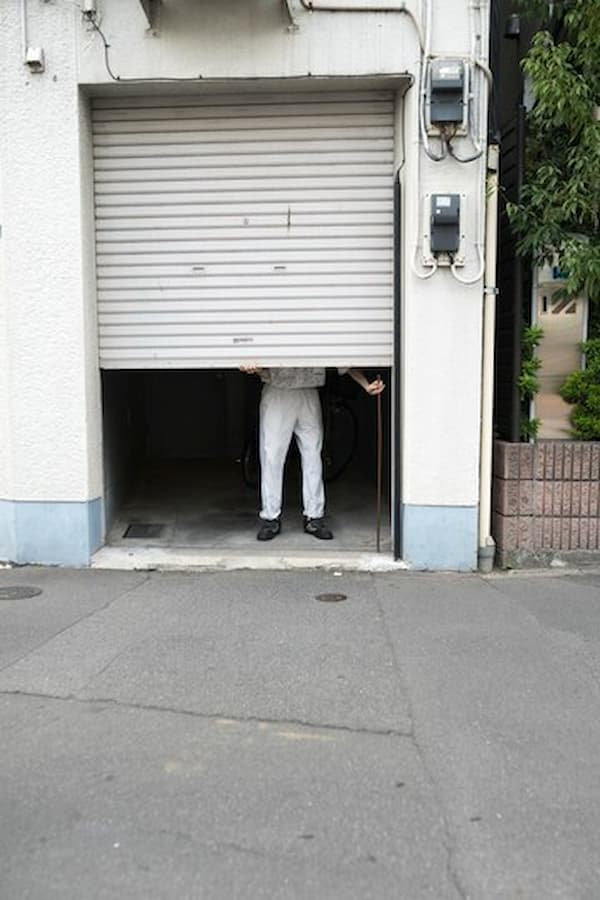
Garage doors, like any other mechanical system, are subject to wear and tear and breakdowns that can affect their operation. Knowing the most common problems and how to fix them can help you keep your door in top condition and avoid bigger issues.
One of the most common problems is that the motor doesn’t respond to the remote control. This can be due to a lack of power, dead batteries in the remote, or wiring issues . Check that the electrical connection is working properly and that there are no blown fuses or tripped circuit breakers. If the problem persists, check the remote’s batteries or consider replacing the remote’s receiver.
If the door sticks or moves with difficulty, it could be due to misaligned tracks, lack of lubrication, or a buildup of dirt and debris in the guides . Be sure to clean the guides regularly and apply lubricant to moving parts such as tracks, rollers, and hinges. Also, check that the tracks are properly aligned and adjusted.
Noises can indicate loose or worn parts . Listen carefully to determine the source of the noise and check for loose screws, worn rollers, or broken springs. Adjust or replace the necessary parts to eliminate the noise and ensure smooth operation.
If the door slams shut, this could indicate a problem with the springs or the counterweight system . Worn torsion springs or extensions can lose their ability to support the door’s weight, resulting in a sudden and dangerous closure. It is essential that a qualified technician inspect and replace the springs to prevent accidents and ensure safety.
At Motoriza24H , we understand the importance of a safe and functional garage. Knowing how to manage and troubleshoot common garage door issues ensures optimal performance. Visit our website to explore our range of motors and accessories that will help you keep your door in perfect working order. Trust Motoriza24H for all your automation needs.